





When Your Washing Machine Will Not Drain Completely: What Every Homeowner Needs to Know
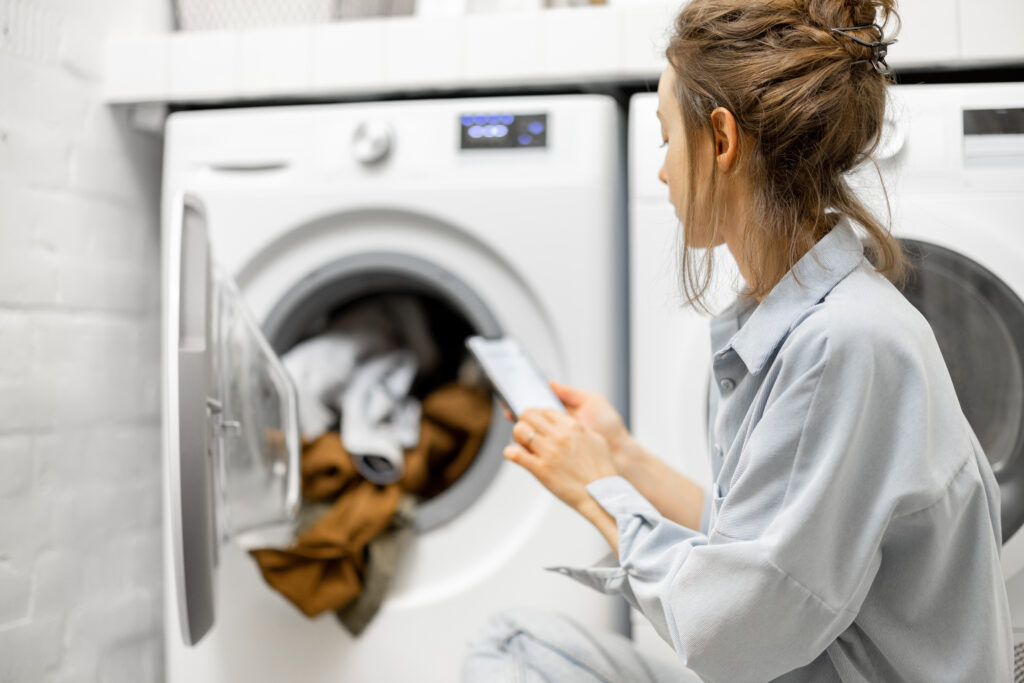
You pull open the washing machine lid expecting a load of clean, damp laundry and instead find clothes sitting in a pool of grimy water. Frustrating does not quite cover it. A washing machine that will not drain all the way is one of those problems that feels minor until it is not — and figuring out whether to call a technician, grab a bucket, or file a home warranty claim can feel genuinely overwhelming. This guide walks through everything you need to know about why this happens, how the drain system actually works, what you can do about it yourself, and when it makes more financial sense to let a professional step in.
How a Washing Machine Drain System Actually Works
Most homeowners never think about what happens to the water inside a washing machine until something goes wrong. The process is actually pretty straightforward. When your washer completes a wash or rinse cycle, it triggers an electric drain pump that pulls water out of the drum and pushes it through a drain hose. That hose feeds into either a laundry tub, a standpipe, or directly into your home’s plumbing. A filter or trap — often called a pump filter or coin trap — is also part of this system, designed to catch lint, coins, and debris before they reach the pump itself. When every component in this chain is working correctly, drainage happens fast and completely. When even one part is compromised, water lingers and laundry day turns into a bigger project than planned.

Common Reasons a Washing Machine Does Not Drain All the Way
There is rarely one universal culprit here, which is part of what makes diagnosing this issue slightly annoying. Several things can cause incomplete drainage, and some are easier to resolve than others. Understanding the difference between a quick fix and a component failure can save a lot of time and money.
- Clogged pump filter or coin trap: This is one of the most common causes and one of the most overlooked. Lint, small clothing items, coins, and other debris accumulate over time and restrict water flow.
- Kinked or blocked drain hose: If the hose behind the machine is bent, pinched against a wall, or partially obstructed, water cannot exit at the proper rate.
- Drain hose positioned too low or too high: The drain hose has a required installation height range. If it sits too low, water can siphon back into the drum. If it is too high, the pump may not have enough power to push water all the way out.
- Failed drain pump: The pump itself can wear out, get jammed by a foreign object, or fail electrically. When this happens, drainage is inconsistent or stops entirely.
- Lid switch or door latch malfunction: Many washing machines will not complete a drain cycle if the lid switch or door latch does not register as closed. This is a safety feature, but a faulty sensor can mimic a drainage problem.
- Control board or timer issues: Less common but possible — if the machine is not receiving the correct signal to initiate or complete a drain cycle, the electronic controls may be to blame.
DIY Troubleshooting Steps Before Calling Anyone
Before reaching for the phone, there are a few things worth checking on your own. Start by consulting your machine’s manual for the location of the pump filter — on front-loaders, it is typically behind a small panel at the bottom front of the machine. Place towels down, have a shallow pan ready, and slowly unscrew the filter cap. What comes out might surprise you. Small socks, coins, and significant lint buildup are not uncommon. Once cleaned, run a spin-only or drain-only cycle to see if the problem resolves. Next, pull the machine away from the wall and inspect the drain hose. Look for kinks, bends, or any obvious obstruction. Check that the hose is inserted into the standpipe at the correct depth — typically no more than six to eight inches — and that the standpipe itself is not clogged. If those steps do not solve the problem, listen carefully during a drain attempt. A humming sound without water movement often points to a jammed pump. No sound at all may indicate an electrical issue with the pump or the control board.
When the Problem Is Beyond a DIY Fix
There is a point where continuing to troubleshoot on your own stops being productive. A drain pump replacement, for example, requires disconnecting the machine, accessing internal components, and ensuring the new pump is properly sealed and secured. Control board diagnostics often require a multimeter and working knowledge of appliance electrical systems. Attempting repairs beyond your comfort level can void manufacturer warranties, create new problems, or in rare cases, pose a safety risk. Recognizing that line is actually a smart homeowner move, not a defeat. Licensed appliance repair technicians can diagnose accurately, source the correct parts, and complete the repair efficiently — often in a single visit.
What It Typically Costs to Repair a Washing Machine Drain Issue
Repair costs vary depending on the specific component that has failed and where you live. A clogged filter you clean yourself costs nothing. A drain hose replacement might run between fifty and one hundred fifty dollars with labor. A drain pump replacement typically falls between one hundred fifty and three hundred fifty dollars, depending on the brand and model of the machine. If the issue turns out to be the control board, costs can climb significantly higher — sometimes approaching or exceeding the value of an older machine. This cost variability is exactly why many homeowners find home warranty coverage particularly valuable for major appliances. Knowing in advance that a covered repair will not result in a large unexpected bill changes how stressful appliance failures feel.
The Role of Home Warranties in Appliance Repair Situations Like This
A home warranty is a service contract that covers the repair or replacement of major home systems and appliances when they fail due to normal wear and tear. For homeowners, this is meaningfully different from homeowners insurance, which covers damage from events like fires or floods but typically does not touch mechanical failures. When a washing machine stops draining because the pump has worn out after years of use — that is exactly the kind of scenario a solid home warranty is designed to address. Rather than paying out of pocket for diagnostics, parts, and labor, a homeowner with active warranty coverage pays a predetermined service fee and the warranty provider coordinates and covers the rest. Not all plans are created equal, so reviewing what appliances are covered and under what conditions matters before assuming a claim will be approved.
How to Prevent Washing Machine Drainage Problems Going Forward
Prevention is genuinely underrated here. A few consistent habits can extend the life of the drainage system considerably and reduce the likelihood of the frustrating mid-cycle water backup scenario.
- Clean the pump filter every one to three months, or more frequently if you wash heavily soiled items or pet bedding regularly.
- Always check pockets before loading laundry — coins, keys, and small objects are among the most common causes of pump damage.
- Use the correct amount of high-efficiency detergent. Excess suds can interfere with drainage and leave residue that contributes to blockages over time.
- Periodically run a cleaning cycle with a washing machine cleaner tablet or a cup of white vinegar to reduce buildup inside the drum and hose.
- Ensure the drain hose is properly secured and not pinched or kinked when pushing the machine back against the wall after servicing.
Signs It May Be Time to Replace Rather Than Repair
Sometimes the most cost-effective decision is not repair but replacement. If a washing machine is more than ten years old and the repair estimate approaches or exceeds fifty percent of the cost of a new comparable model, replacement is worth considering seriously. Repeated drainage failures in a short span, combined with other mechanical issues, often signal that the machine is reaching the end of its reliable service life. Energy efficiency is also part of this calculation — newer machines, particularly those with high-efficiency certifications, use significantly less water and electricity, which produces real savings over time. A home warranty provider with appliance replacement coverage can sometimes help bridge the financial gap when a covered repair would cost more than a replacement unit.

Why Armadillo Is Worth Considering When Your Appliances Let You Down
Dealing with a washing machine that will not drain is stressful enough on its own. Adding the financial uncertainty of an unexpected repair bill makes it worse. That is where having the right coverage in place makes a real difference. Armadillo offers straightforward, comprehensive home warranty plans built for real homeowners who want reliable protection without navigating confusing fine print. As a provider of home warranty coverage for major appliances and home systems, Armadillo is designed to take the unpredictability out of homeownership — so when your drain pump fails or your washing machine decides to stop cooperating, you are not starting from zero. If you are ready to stop wondering whether your next appliance failure will derail your monthly budget, you can get a free home warranty quote for washing machine and appliance protection and see exactly what coverage looks like for your home. Peace of mind is not a luxury — it is a practical decision.
Frequently Asked Questions About Washing Machines Not Draining
Why is there still water in my washing machine after the cycle ends?
Water remaining in the drum after a completed cycle typically indicates a drainage issue. The most common causes include a clogged pump filter, a blocked or kinked drain hose, a failed drain pump, or a malfunctioning lid switch that prevents the machine from completing its cycle.
Can I run my washing machine if it is not draining completely?
Running a washing machine that is not draining properly is not recommended. Doing so can strain the pump further, cause mold and mildew to develop in standing water, and potentially damage clothing or internal components. Address the drainage issue before resuming normal use.
How do I manually drain a washing machine that will not drain?
To manually drain a washing machine, locate the pump filter access panel at the base of the unit. Place towels and a shallow pan beneath the filter cap, then slowly turn the cap counterclockwise to release water gradually. On machines without an accessible filter, the drain hose can be lowered into a bucket to siphon remaining water out.
How often should I clean my washing machine pump filter?
Cleaning the pump filter every one to three months is a reasonable maintenance interval for most households. Homes with pets, young children, or frequent heavy-duty laundry loads may benefit from more frequent cleaning to prevent buildup that restricts water flow.
Does a home warranty cover washing machine drain pump failures?
Many home warranty plans do cover washing machine drain pump failures when the failure results from normal wear and tear. Coverage specifics vary by provider and plan, so reviewing the appliance coverage details before purchasing or filing a claim is always advisable.
What is the average lifespan of a washing machine drain pump?
A washing machine drain pump typically lasts between eight and twelve years under normal use conditions. Factors like overloading the machine, running it with foreign objects in the drum, and infrequent filter cleaning can shorten the pump’s service life considerably.
Is a washing machine not draining covered under a manufacturer’s warranty?
If the washing machine is still within the manufacturer’s warranty period — typically one year from the date of purchase — a drainage failure caused by a defective component may be covered. Normal wear and tear or user-related damage is generally excluded from manufacturer coverage.
Can a clogged drain hose cause my washing machine not to drain?
Yes, a clogged or kinked drain hose is a direct and common cause of incomplete drainage. The hose can become blocked by lint accumulation, a small garment, or debris that bypassed the filter. Inspecting and clearing the hose is a reasonable first step in any drainage troubleshooting process.
Should I repair or replace a washing machine that keeps having drainage issues?
If the machine is under ten years old and the repair cost is reasonable relative to the unit’s value, repair is generally the better choice. For older machines with recurring issues or repair estimates that approach replacement cost, purchasing a new unit is often the more financially sound decision.
How can I tell if my washing machine drain pump has failed completely?
A completely failed drain pump typically presents as a machine that makes no sound during the drain cycle, displays an error code related to drainage, or leaves standing water in the drum consistently. A humming noise without water movement often indicates the pump is receiving power but is jammed or mechanically compromised.