





What Are Plumbing Vents and Why Does Your Home Depend on Them?
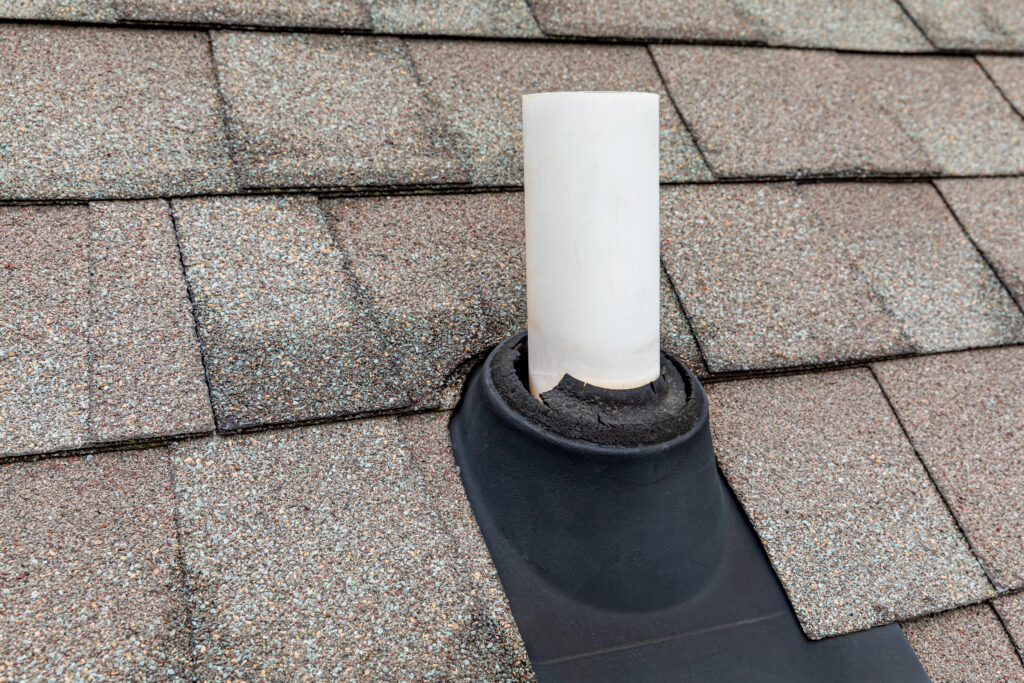
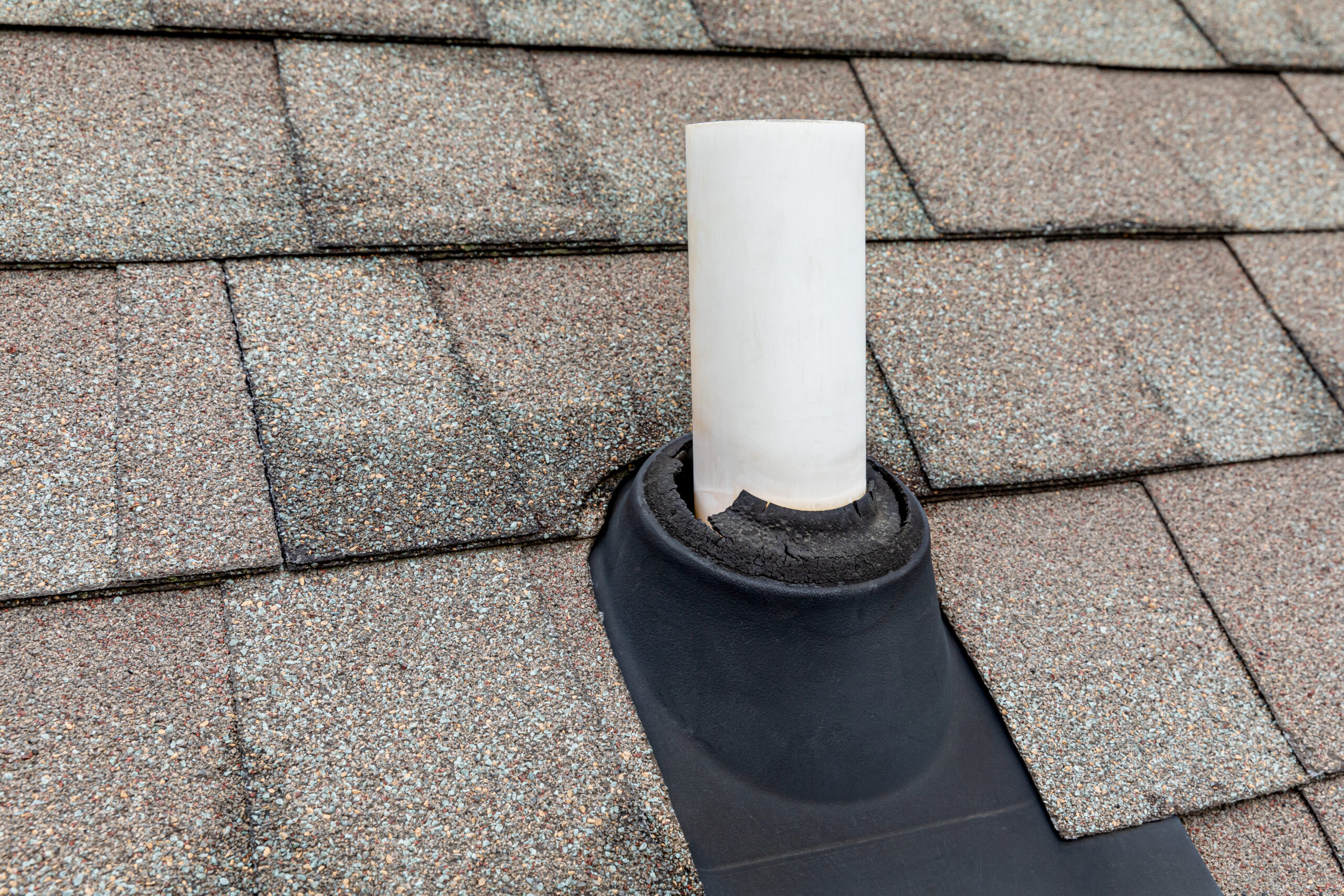
Most homeowners know where their pipes are — roughly speaking, anyway. But ask someone about their plumbing vents, and you will likely get a blank stare. That is completely understandable. Vents are one of those behind-the-scenes components that do serious work without ever announcing themselves. Until something goes wrong, that is. Plumbing vents are vertical or angled pipes that connect your drain system to the outside air, typically exiting through the roof. They regulate air pressure inside your drain lines, which allows wastewater to flow freely and keeps sewer gases from sneaking back into your living space. Simple concept, enormous consequences when it fails.
How the Plumbing Vent System Actually Works
Here is where it gets genuinely interesting. Your home’s drain system relies on gravity to move water, but gravity alone is not enough. Without air entering the system to replace the water that drains away, you create a vacuum effect. That vacuum slows drainage, causes gurgling sounds, and can actually siphon the water right out of your P-traps — those curved pipe sections beneath sinks and toilets that hold a small amount of water to block sewer gas. The vent pipe solves this by introducing outside air into the system, equalizing pressure and keeping everything moving the way it should. Think of it like putting your thumb over a straw. The liquid does not fall until you release your thumb and let air in. Your plumbing vent is that air release. Every fixture in your home — sinks, toilets, showers, washing machines — is connected to this vent network, which ultimately terminates above the roofline so gases can safely dissipate into the atmosphere.
Types of Plumbing Vents Found in Residential Homes
Not all vent configurations look the same, and the layout often depends on your home’s age, size, and design. Understanding the common types helps you have more informed conversations with plumbers and home warranty providers alike.
- True vent: A dry pipe that runs vertically from the drain line up through the roof. The most common and straightforward type.
- Common vent: Two fixtures on opposite sides of a wall share a single vent pipe between them. Efficient use of space in interior walls.
- Wet vent: A single pipe serves as both a drain and a vent simultaneously. Often used in bathroom groups where space is limited.
- Air admittance valve (AAV): A mechanical device installed inside the wall or under a cabinet that opens to allow air in and closes to prevent gas from escaping. Useful where roof venting is impractical.
- Loop vent: Used for island sinks without wall access, looping the vent pipe up and back down before connecting to the main vent stack.
Key Advantages of a Properly Functioning Vent System
When your plumbing vent system is working correctly, you probably never think about it. That invisibility is actually the point. A properly maintained vent system keeps drain flow strong and consistent, eliminates gurgling or slow-drain issues, protects P-traps from siphoning out, and most importantly, prevents toxic sewer gases like methane and hydrogen sulfide from entering your home. These gases are not just unpleasant — they can be genuinely hazardous in high concentrations. Proper venting also reduces the internal pressure fluctuations that contribute to pipe stress and wear over time. It is one of those systems where the upfront design and maintenance investment pays off in quiet, reliable performance for decades.
Common Problems That Affect Plumbing Vents
Despite their durability, plumbing vents are not immune to issues. Roof-mounted vent pipes are exposed to the elements year-round, which creates specific vulnerabilities. Debris such as leaves, bird nests, or even dead animals can block the opening and restrict airflow. In colder climates, ice can form at the vent opening during winter, temporarily sealing the pipe. Over time, the flashing and boot seal around the pipe where it exits the roof can crack or separate, creating a leak pathway. Inside the home, AAVs can fail mechanically over time and may need replacement. Older homes with cast iron or galvanized vent stacks may develop corrosion or joint failures that require partial or full replacement. The tricky part is that vent problems often disguise themselves as drain problems, which leads homeowners down the wrong diagnostic path entirely.
Warning Signs Your Plumbing Vents May Be Compromised
Catching a vent issue early can save you from expensive secondary damage. Your plumbing system tends to communicate pretty clearly when something is off — you just need to know what to listen for.
- Gurgling sounds coming from drains after flushing a toilet or running a sink
- Slow drains throughout multiple fixtures simultaneously, not isolated to one location
- Sewer odor inside the home, particularly in bathrooms or near floor drains
- Toilets that bubble or seem to struggle when flushing
- Visible damage to the vent pipe or flashing on the roof
- Water stains on the ceiling near where a vent pipe penetrates the roof
Maintenance Tips Every Homeowner Should Know
You do not need to be a licensed plumber to stay on top of vent system health. Periodic visual inspections from the ground can reveal obvious blockages or damaged pipe sections at the roofline. After heavy storms, it is worth a quick check to make sure no debris has been deposited into the open vent. Scheduling a professional plumbing inspection every few years — or any time you notice symptoms — is genuinely worthwhile. A plumber can use a camera scope to inspect the interior of the vent stack and identify partial blockages or deterioration that is not visible from outside. If your home uses AAVs, confirm they are accessible and not buried behind finished walls or cabinetry in a way that makes replacement difficult. Proactive attention to this system is far less painful than dealing with sewer gas infiltration or systemic drain failure.
What Plumbing Vent Repairs Typically Cost
Repair costs vary significantly depending on what needs to be done. Clearing a simple roof vent blockage is generally inexpensive, often falling in the range of a basic service call fee. Replacing a damaged roof boot or flashing seal is a moderate cost that typically involves coordination between a plumber and a roofer. Replacing an AAV is usually straightforward and affordable. Where costs climb is when a deteriorated vent stack needs partial or full replacement, particularly in older homes with cast iron piping. In those cases, the work can become invasive and expensive quickly, sometimes requiring wall or ceiling access. This is precisely the kind of unexpected plumbing expense that catches homeowners off guard and strains household budgets — which is why understanding your coverage options ahead of time matters.
How a Home Warranty Can Protect You When Plumbing Vents Fail
Plumbing systems are among the most commonly covered components in home warranty plans, and for good reason — they fail at inconvenient times and the repairs rarely come cheap. If you are a homeowner who wants predictable protection against the unpredictability of plumbing issues, exploring home warranty coverage for plumbing systems and venting components is a genuinely smart move. Armadillo offers straightforward, homeowner-friendly plans designed to take the financial surprise out of system failures, including plumbing. No confusing jargon, no buried exclusions — just clear coverage that works when you need it. When something like a failed vent stack or a broken AAV disrupts your home, the last thing you want to be doing is scrambling to find a reputable plumber and negotiating a repair bill at the same time. With the right plan in place, that call is already handled. Whether you are a first-time buyer or a long-time homeowner who has been meaning to get coverage sorted out, now is a reasonable time to take that step and get a free home warranty quote for plumbing and drain system protection that actually fits your home and your budget.
Frequently Asked Questions About Plumbing Vents
What is the purpose of a plumbing vent pipe?
A plumbing vent pipe allows air to enter the drain system to equalize pressure, ensuring wastewater flows freely and preventing sewer gases from entering the home through drain openings.
Where does a plumbing vent exit in a house?
In most residential homes, plumbing vent pipes exit vertically through the roof. The pipe extends above the roofline so gases can dissipate safely into the outside air.
Can a blocked plumbing vent cause slow drains?
Yes. A blocked vent creates negative pressure in the drain lines, which slows water flow and can cause gurgling, sluggish drainage across multiple fixtures simultaneously.
Is a gurgling toilet always a vent problem?
Not always, but it is one of the most common indicators. Gurgling typically signals a pressure imbalance in the drain system, which is frequently caused by a partially blocked or failed vent pipe.
What is an air admittance valve and is it a good substitute for a roof vent?
An air admittance valve is a mechanical device that allows air into the drain system without requiring a pipe to exit through the roof. It is a practical solution for island sinks or additions where roof venting is difficult, though local building codes vary on their approval.
How often should plumbing vents be inspected?
A visual inspection of the roofline vent opening annually is a reasonable habit. A full professional plumbing inspection every three to five years, or whenever symptoms appear, is recommended for a comprehensive assessment.
Can sewer gas from a vent problem make you sick?
Yes. Sewer gases including hydrogen sulfide and methane can be harmful in sufficient concentrations. Persistent sewer odor inside the home should be addressed promptly by a licensed plumber.
Does homeowners insurance cover plumbing vent repairs?
Standard homeowners insurance typically covers sudden and accidental damage, such as a storm damaging a vent pipe. It generally does not cover repairs due to normal wear, deterioration, or mechanical failure, which is where a home warranty fills the gap.
How do I know if my plumbing vent is frozen?
In cold climates, a frozen vent often causes the same symptoms as a blockage: gurgling drains, slow flow, and sewer odor. The issue typically resolves when temperatures rise, but persistent freezing may indicate the vent pipe diameter is too small for the climate.
Are plumbing vents covered under a home warranty plan?
Coverage varies by provider and plan. Many home warranty plans cover interior plumbing components including drain lines and vent pipes, but it is important to review the specific terms of any plan to understand what is included and what may be excluded.