





When Your GFCI Outlet Reset Button Is Stuck: What Every Homeowner Needs to Know
You press the reset button on your GFCI outlet and nothing happens. Or maybe it pops right back out the moment you push it in. Either way, something is off, and it is the kind of thing that tends to happen at the worst possible time. Before you assume the worst or call an electrician in a panic, it helps to understand what a GFCI outlet actually does, why that reset button gets stuck or fails to respond, and what your options are for getting things back in order. This guide covers all of it, including how home warranties factor into the picture.
What Is a GFCI Outlet and Why Does Your Home Have One
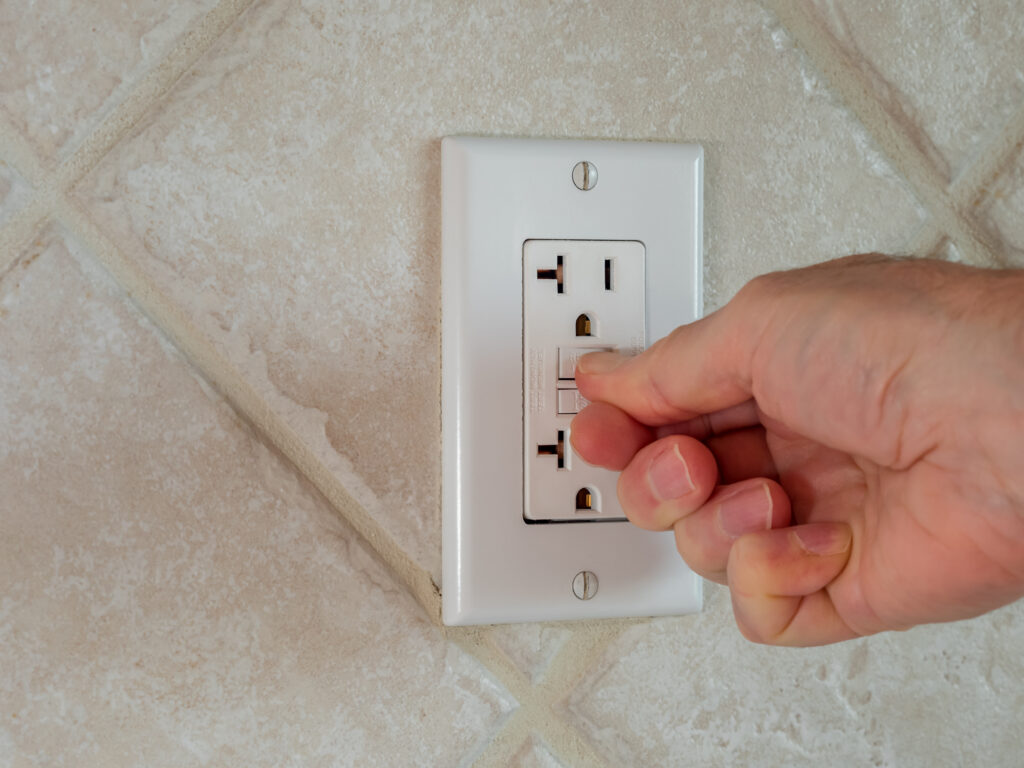
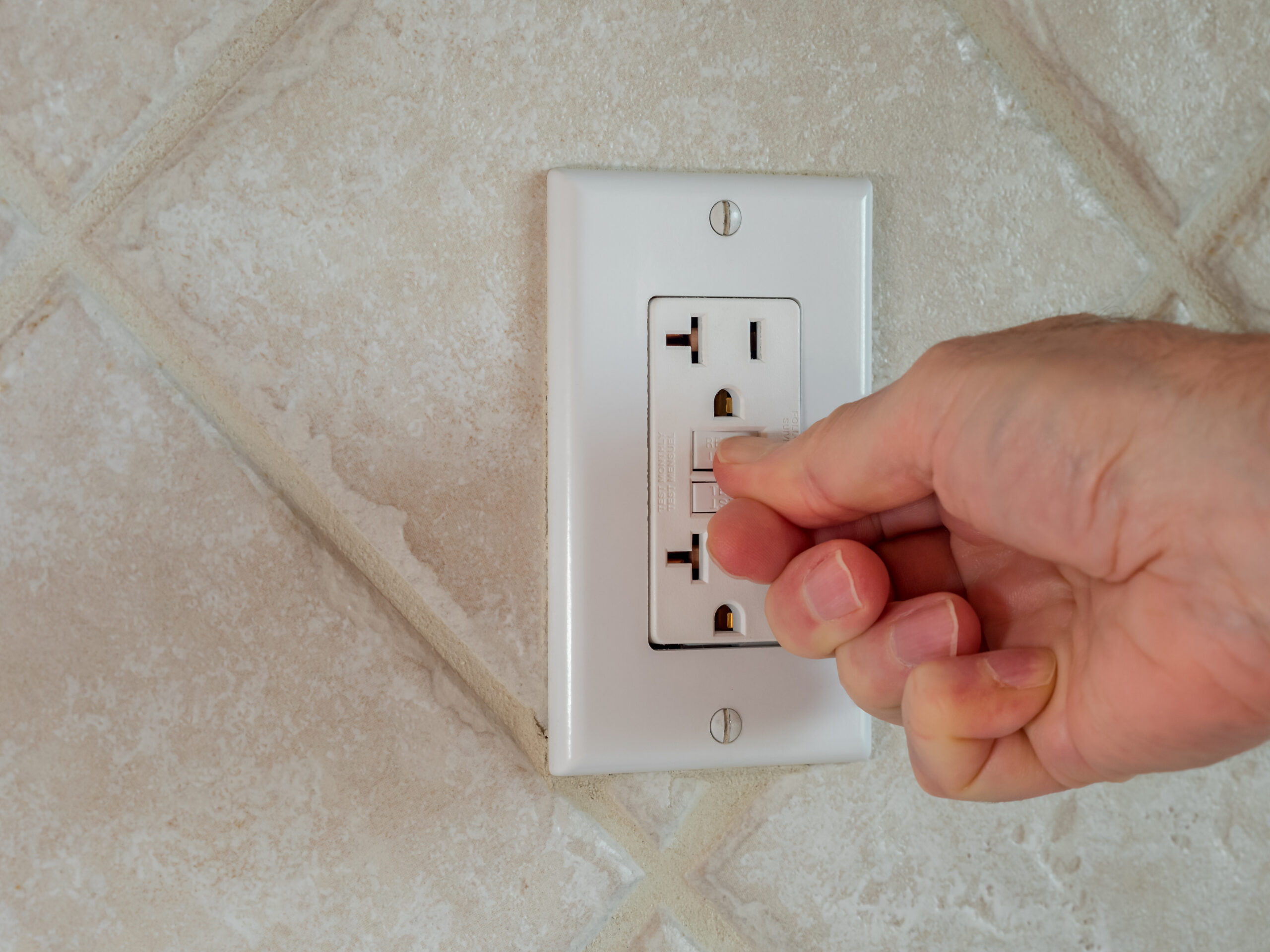
GFCI stands for Ground Fault Circuit Interrupter. It is a specialized electrical outlet designed to protect you from electric shock in areas where water and electricity are likely to coexist, such as bathrooms, kitchens, garages, outdoor spaces, and laundry rooms. The outlet constantly monitors the flow of electricity through a circuit. When it detects even a slight imbalance, which could indicate electricity is taking an unintended path, possibly through a person, it shuts off the power in a fraction of a second. That response time is fast enough to prevent serious injury or death. The two small buttons on the face of the outlet are labeled TEST and RESET. The TEST button trips the outlet intentionally, cutting power to verify the safety mechanism works. The RESET button restores power after a trip. When the RESET button is stuck or unresponsive, the protection the outlet provides may be compromised, and the devices or appliances connected to it will not function.
Why the GFCI Reset Button Gets Stuck or Will Not Work
A stuck or unresponsive GFCI reset button is more common than most homeowners realize, and the causes vary more than you might expect. The button may feel physically stuck due to age, moisture intrusion, or internal component failure. In other cases, the button presses in just fine but immediately pops back out, which usually signals a persistent ground fault on the circuit that the outlet is still detecting. The outlet will not reset until the underlying fault is resolved. Here are some of the most frequent reasons behind a stuck or failed GFCI reset:
- A connected appliance or device is causing a ground fault that the outlet continues to detect
- The outlet is wet or has been exposed to moisture internally
- The outlet itself has failed and needs to be replaced
- The outlet is wired incorrectly, particularly if it is a newer installation or recent DIY project
- There is no power reaching the outlet, which means the breaker may have tripped upstream
- The outlet has simply reached the end of its lifespan, typically around 10 to 15 years
How to Troubleshoot a Stuck GFCI Reset Button Step by Step
Before calling a professional, there are a few safe and reasonable steps a homeowner can take to diagnose the issue. Start by unplugging everything connected to the outlet and any outlets downstream on the same circuit. Then check your electrical panel to confirm the breaker for that circuit has not tripped. If the breaker looks fine, try pressing the RESET button again firmly. If the outlet was simply tripped and there is no ongoing fault, it should click in and hold. If it pops back out, something on the circuit is still triggering it. Try testing one appliance at a time after resetting to identify the culprit. Keep in mind that a single GFCI outlet can protect multiple standard outlets downstream, so the problem appliance might not even be plugged directly into the GFCI outlet itself. If none of that resolves the issue, the outlet itself has likely failed and should be replaced by a qualified electrician.
Is a Stuck GFCI Reset Button a Safety Hazard
The honest answer is yes, depending on the situation. If the outlet has tripped and will not reset, you have lost power to the affected circuit, which is inconvenient but not immediately dangerous. The issue becomes more serious if the outlet appears to be functioning, meaning it is providing power, but the GFCI protection mechanism has internally failed. In that scenario, you may have live outlets that no longer provide the shock protection they are supposed to. A failed GFCI outlet that still passes power is arguably more dangerous than one that has simply tripped, because it creates a false sense of safety. This is why routine testing of GFCI outlets every month is a widely recommended practice, and why replacing a failed outlet promptly matters more than most homeowners assume.
What It Costs to Replace a GFCI Outlet
Replacing a GFCI outlet is not a massive expense on its own, but it is worth knowing what to expect. The outlet itself typically costs between fifteen and fifty dollars depending on the amperage rating and brand. Labor from a licensed electrician usually adds another fifty to one hundred fifty dollars depending on your location and whether any additional wiring work is required. If the issue turns out to be more systemic, such as faulty wiring or a failing electrical panel, costs can rise significantly. For homeowners with multiple aging GFCI outlets throughout the home, those individual costs can start to add up in a hurry.
How Home Warranties Relate to GFCI Outlet Issues
This is where a lot of homeowners get surprised, sometimes pleasantly and sometimes not. Home warranties are service contracts that cover the repair or replacement of major home systems and appliances when they fail due to normal wear and tear. Electrical systems are commonly included in home warranty plans, and that coverage often extends to components like wiring, outlets, and panels. Whether a specific GFCI outlet replacement falls under warranty coverage depends on the plan language and the warranty provider. Some plans cover interior electrical components broadly, which would include a failed GFCI outlet. Others may have exclusions for individual outlets or cosmetic components. Reading the fine print matters here. A home warranty does not cover every possible failure, but for homeowners dealing with repeated electrical issues, the cumulative savings from covered repairs can be significant.
Key Benefits of Having a Home Warranty for Electrical Issues
A home warranty adds a layer of financial predictability that cash-strapped homeowners tend to appreciate. When something like a GFCI outlet fails, or when an electrical problem turns out to be more involved than expected, a warranty plan can absorb a significant portion of the repair or replacement cost. Here is what home warranty coverage for electrical systems typically provides:
- Coverage for interior electrical wiring and components that fail due to normal wear
- Access to pre-vetted, licensed contractors without the need to source your own
- A capped service call fee instead of unpredictable out-of-pocket repair bills
- Peace of mind for older homes where electrical components are more likely to fail
Common Limitations to Watch Out For in Home Warranty Electrical Coverage
Home warranties are genuinely useful, but they are not unlimited protection, and electrical coverage comes with its share of caveats. Pre-existing conditions are typically excluded, meaning if the GFCI outlet was already failing before your coverage began, the claim may be denied. Improper installation is another common exclusion, which matters a great deal if previous owners made amateur wiring decisions. Some plans also limit coverage to specific types of electrical failures or cap the dollar amount they will pay out per claim. Understanding these boundaries before you need to file a claim is far better than discovering them in the middle of a repair situation.
Why Armadillo Is the Right Home Warranty Partner for Homeowners Dealing With Electrical Issues
When your GFCI outlet reset button is stuck and the troubleshooting has not worked, the last thing you want is to navigate a complicated claims process or wonder whether your warranty plan actually covers what you need. Armadillo is built differently. Clear terms, real coverage, and a straightforward experience are the foundation of what Armadillo offers homeowners who want protection they can actually count on. If you are thinking about what comprehensive electrical coverage looks like under a modern home warranty, explore Armadillo’s home warranty plans for electrical system protection and see how the coverage is structured before you ever need to use it. For homeowners who are ready to stop wondering and start protecting, get a free home warranty quote tailored to your home’s electrical and system coverage needs in just a few minutes. Armadillo makes it simple to understand what you are getting, which is exactly what a home warranty should do.
Frequently Asked Questions About GFCI Outlet Reset Buttons and Home Warranty Coverage
Why does my GFCI outlet reset button keep popping out when I push it?
The outlet is detecting a continuing ground fault and will not hold the reset until that fault is resolved. Try unplugging all connected devices and resetting again. If it still pops out with nothing connected, the outlet itself has likely failed and needs replacement.
Can a GFCI outlet fail without tripping or showing any signs?
Yes. A GFCI outlet can fail internally while still passing power, which means connected devices will work but the shock protection is no longer functioning. This is why monthly testing using the TEST button is recommended.
Is it safe to replace a GFCI outlet myself?
A homeowner with basic electrical knowledge can replace a GFCI outlet, but it is always safer and often required by local code to have a licensed electrician handle the work, especially in older homes with existing wiring irregularities.
How long do GFCI outlets typically last?
Most GFCI outlets have a lifespan of approximately 10 to 15 years. Outlets in high-moisture environments like bathrooms or outdoor locations may degrade more quickly due to humidity and temperature exposure.
Does a home warranty cover GFCI outlet replacement?
Many home warranty plans that include electrical system coverage will cover GFCI outlet replacement when the failure is due to normal wear and tear. Coverage varies by provider and plan, so reviewing your specific contract terms is essential before filing a claim.
What should I check before calling an electrician about a stuck GFCI reset button?
First, unplug all devices connected to the outlet and any outlets on the same circuit. Then check your electrical panel for a tripped breaker. Press the RESET button firmly. If the button still does not hold, the outlet likely needs professional attention.
Can one GFCI outlet affect other outlets in my home?
Yes. A single GFCI outlet is often wired to protect multiple standard outlets downstream on the same circuit. When the GFCI trips, all of those connected outlets lose power as well, which is why an issue in one bathroom might affect an outlet in an adjacent room.
Will moisture cause a GFCI outlet to stop working?
Moisture can absolutely cause a GFCI outlet to trip repeatedly or fail internally. Outlets in bathrooms, kitchens, and outdoor locations are particularly susceptible. If moisture intrusion is suspected, the outlet should be inspected and likely replaced by a licensed electrician.
How do I know if my GFCI outlet is properly grounded?
You can use an inexpensive outlet tester, available at most hardware stores, to check whether your outlet is properly grounded. An ungrounded GFCI outlet can still provide some protection against shock, but it is not functioning at full capacity and may warrant an electrical inspection.
Are GFCI outlets required by building code?
Yes. National electrical codes in the United States require GFCI outlets in any area where water is present, including bathrooms, kitchens, garages, crawl spaces, unfinished basements, and all outdoor receptacles. Older homes may not meet current code requirements unless updates have been made.