





What Is a Plumbing Vent and Why Does Your Home Need One?
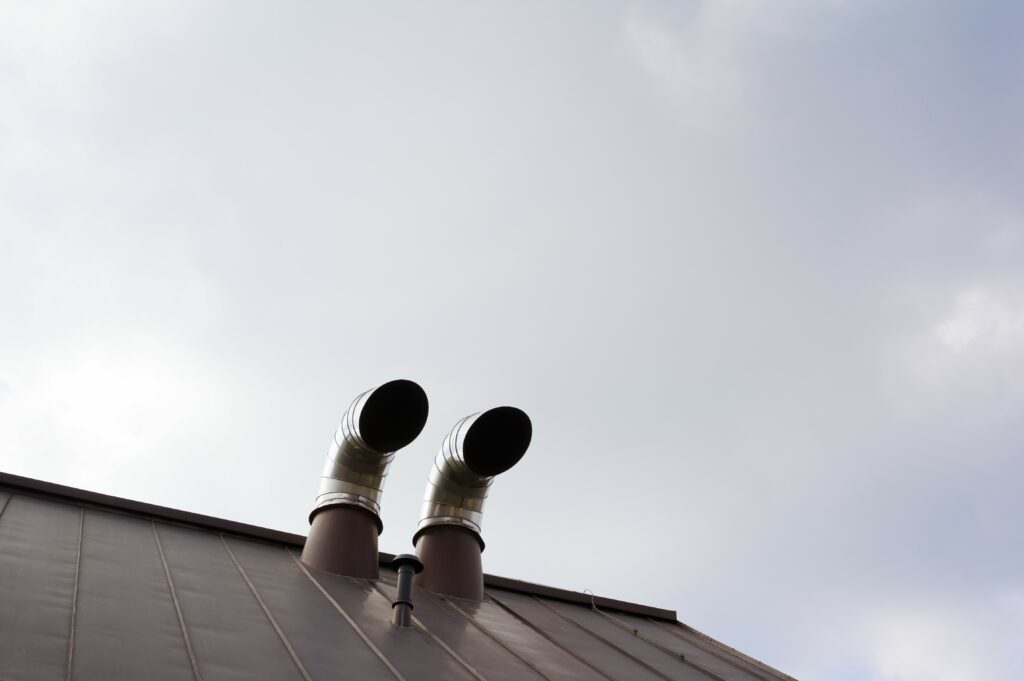
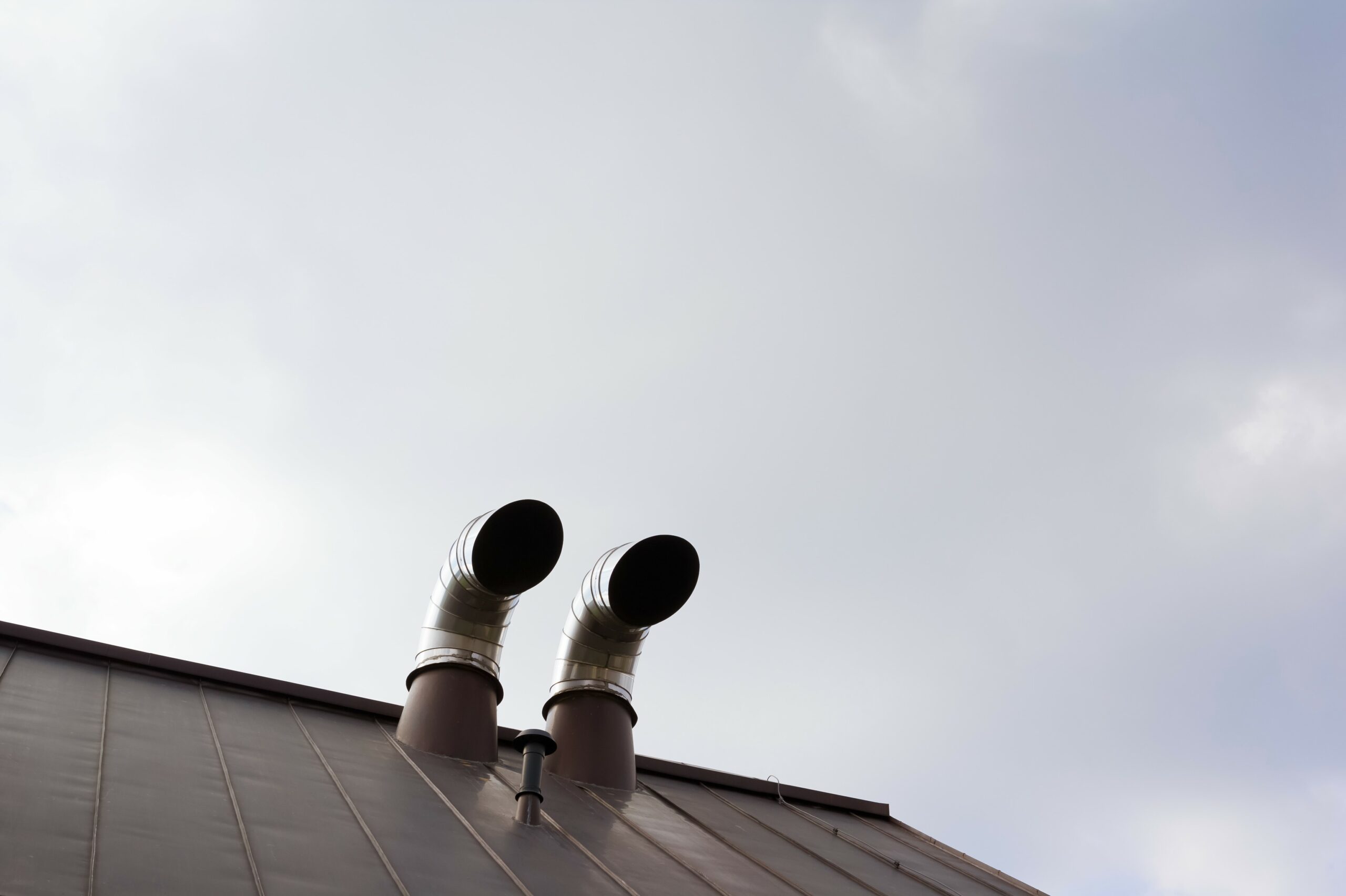
Most homeowners know what a drain is. Water goes in, water goes out — that part is fairly intuitive. But somewhere behind the walls, above the ceiling, and usually poking through your roofline, there is a system working quietly alongside your drains that rarely gets any attention until something goes wrong. That system is the plumbing vent, and without it, your entire drain system would struggle to function properly. It is one of those components that earns its keep every single day without ever asking for recognition.
The Basic Purpose of a Plumbing Vent System
A plumbing vent — sometimes called a vent stack or drain-waste-vent (DWV) system — serves two primary functions. First, it allows sewer gases, primarily methane and hydrogen sulfide, to escape safely out of the home rather than building up inside the living space. Second, and this is the part most people overlook, it introduces air into the drain system so that water can flow freely through the pipes. Think of it like the small hole in a juice box. Without that second opening, liquid either flows out sluggishly or creates a vacuum that disrupts the entire flow. Your plumbing works the same way.
How Plumbing Vents Actually Work
Every drain in your home — sinks, toilets, showers, tubs, washing machines — connects to a drainpipe that eventually ties into the main drain line leading out to the sewer or septic system. Running alongside or connected to these drain lines are vent pipes that travel upward through interior walls and exit through the roof. When water moves through a drainpipe, it displaces air. If there is no vent to replenish that air, the result is negative pressure — a partial vacuum — that pulls water out of the P-traps (those curved pipe sections beneath sinks and behind toilets). Once that water seal is gone, sewer gases have a direct path into your home. The vent system prevents all of that by keeping the pressure balanced and the trap seals intact.

Common Types of Plumbing Vent Configurations
Not every home uses the same venting approach. Plumbers have several configurations available depending on the layout of the home, local building codes, and the location of fixtures. Understanding the basic types helps when you are talking to a plumber or trying to make sense of an inspection report.
- True vent: A vertical pipe that connects to the drain line and runs directly through the roof. This is the most common and most reliable type.
- Air admittance valve (AAV): A mechanical device installed at or near the fixture that opens to let air in when needed, without requiring a roof penetration. Useful in remodels or island sink installations.
- Common vent: Two fixtures on opposite sides of a wall share a single vent pipe running between them.
- Wet vent: A pipe that serves as both a drain for one fixture and a vent for another. Typically used in bathroom groupings to reduce the number of pipes needed.
- Loop vent: Used for island sinks where running a vent straight up to the roof is not feasible. The vent loops up and back into the drain line above the flood level.
Signs That Your Plumbing Vent May Be Blocked or Failing
Plumbing vent issues tend to announce themselves in ways that are hard to ignore, even if the root cause is not immediately obvious. A blocked vent — caused by debris, bird nests, ice in cold climates, or even a dead animal — will create a backup of symptoms throughout the home. Slow-draining sinks that do not respond to traditional drain cleaning are often a vent issue, not a clog. Gurgling sounds coming from drains after flushing a toilet are a classic signal that air is being pulled backward through the system. Perhaps most concerning, a faint but persistent sewage smell inside the home, especially near bathrooms or in lower levels, frequently points to compromised trap seals caused by negative pressure in an unvented or blocked system. If you notice any combination of these symptoms, a plumber should evaluate the vent stack before any other work begins.
Key Advantages of a Properly Functioning Vent System
When the plumbing vent system is doing its job, the benefits extend well beyond simple drain performance. Balanced air pressure protects every P-trap in the house, keeping sewer gases — some of which are genuinely toxic at elevated concentrations — from entering the living space. Drains run at full capacity without sluggishness or gurgling. The entire drain-waste system ages better because pressure-related stress on joints and seals is minimized. From a home warranty and home value standpoint, a well-maintained vent system means fewer emergency plumbing calls and a lower likelihood of water damage caused by slow or backed-up drains.
Common Drawbacks and Maintenance Challenges
The vent system is largely out of sight and, for most homeowners, completely out of mind — which is exactly where problems tend to develop. Roof vent openings can collect leaves, twigs, and debris over time. In colder climates, frost and ice can partially or fully seal the vent opening during extended cold snaps, creating a temporary but disruptive blockage. Air admittance valves, while convenient, have a mechanical lifespan and can fail over time, sometimes without any obvious external sign. Additionally, older homes may have vent configurations that no longer meet current code requirements, which can become an issue during a sale, renovation, or insurance claim. None of these are catastrophic problems, but they do require periodic attention.
Practical Maintenance Tips for Homeowners
- Have a plumber inspect the vent stack during routine plumbing service visits, particularly if the home is more than 20 years old.
- After major storms, check the roof vent opening visually if it is safely accessible, or ask a roofer to confirm it is clear during any roof maintenance visit.
- If your home uses air admittance valves, confirm they are accessible and include them in periodic inspection schedules.
- Do not ignore recurring slow drains or gurgling sounds — address them early before a minor issue compounds into a more expensive repair.
- During renovation projects that involve adding or relocating fixtures, always verify that new vent connections meet local building code requirements.
How Home Warranties Relate to Plumbing Vent Issues
This is where things get practical in a direct way. Home warranty plans vary considerably in how they handle plumbing coverage, and the vent system tends to fall into a gray area that homeowners do not think to ask about until they are already dealing with a problem. A quality home warranty plan that includes plumbing coverage should address the vent stack as part of the broader drain-waste-vent system. Blockages that are not caused by homeowner negligence, failed vent components, and related drainage issues should fall within the scope of covered repairs. Knowing exactly what your plan covers before something breaks is far more useful than reading the fine print after the fact. This is one reason why understanding your home systems — including the ones you cannot see — is genuinely valuable.
Why Armadillo Is a Smart Choice for Plumbing Protection
Plumbing systems are complex, and the vent stack is proof that complexity often hides in plain sight — or in this case, inside your walls and above your roofline. When something fails, the repair costs can climb quickly, especially if the issue has been compounding quietly for months. That is exactly the kind of scenario that a home warranty is designed to address. Armadillo home warranty coverage for plumbing systems is built with real homeowners in mind — straightforward plans, honest terms, and coverage that does not disappear the moment you actually need it. If you have been putting off getting protected because the process seemed complicated or expensive, it is worth taking a few minutes to see what your options actually look like. You can get a personalized home warranty quote for plumbing and drain system coverage in just seconds, no guesswork required. Your plumbing vent is working every single day. Your home warranty should be doing the same.

Frequently Asked Questions About Plumbing Vents
Answers to the most common questions homeowners have about plumbing vent systems, how they work, and when to call a professional.
What happens if a plumbing vent is blocked?
A blocked plumbing vent disrupts the air pressure balance in your drain system. This typically causes slow drains, gurgling sounds from fixtures, and sewage odors inside the home as sewer gases bypass compromised P-trap seals.
How often should a plumbing vent be inspected?
A general plumbing inspection every two to three years is a reasonable baseline for most homes. If you notice recurring slow drains or odors, schedule an inspection sooner regardless of the last service date.
Can a plumbing vent be inside the house, or does it have to go through the roof?
Traditional vent stacks exit through the roof, but air admittance valves (AAVs) are a legitimate alternative in many situations. AAVs allow venting without a roof penetration, though local codes may restrict or regulate their use.
What causes a plumbing vent to get blocked?
The most common causes include leaves and debris accumulation at the roof opening, bird or animal nests built inside the vent pipe, ice buildup during extreme cold, and in rare cases, structural damage to the pipe itself.
Is a gurgling toilet always a vent problem?
Not always, but it is a strong indicator. Gurgling after flushing or when another fixture drains nearby points to negative pressure in the drain line, which is most commonly caused by a blocked or inadequate vent.
Does a plumbing vent affect water pressure?
No. Plumbing vents affect drain flow and sewer gas management, not water supply pressure. If you are experiencing low water pressure, that issue originates in the supply side of your plumbing system, not the vent stack.
Are plumbing vents covered under a home warranty?
Coverage varies by plan and provider. Many home warranty plans that include plumbing coverage extend to the vent stack as part of the drain-waste-vent system. Reviewing your specific plan terms or asking directly before purchasing is strongly recommended.
How long do plumbing vent pipes last?
Vent pipes made from ABS or PVC plastic can last 50 years or more under normal conditions. Older cast iron or galvanized steel vent pipes may have a shorter functional lifespan and are more prone to corrosion or joint failure over time.
Can I add a bathroom without adding a new vent pipe?
In some cases, yes. Existing vent configurations like wet vents or the installation of an air admittance valve may allow new fixtures to tie in without a full new vent stack. However, all additions must comply with local plumbing codes and should be evaluated by a licensed plumber.
What is the difference between a vent pipe and a drain pipe?
A drain pipe carries wastewater away from fixtures toward the sewer or septic system. A vent pipe carries air into the drain system to maintain pressure balance and routes sewer gases safely out through the roof. They work together as part of the same integrated system.