





How Often Should You Replace Smoke Alarms — And Why It Matters More Than You Think
Most homeowners test their smoke alarms every now and then, swap out a battery when that low-chirp starts, and call it a day. That feels responsible enough, right? Here is the thing though — smoke alarms have an actual expiration date, and a lot of people have no idea. The sensor inside degrades over time, and a smoke alarm that looks perfectly fine on your ceiling could be completely unreliable when it matters most. This is one of those home maintenance details that does not get nearly enough attention, and it absolutely should.
What a Smoke Alarm Actually Does — And How It Works
Smoke alarms are life-safety devices, not just noise-makers. There are two main types found in residential homes: ionization alarms and photoelectric alarms. Ionization alarms use a small amount of radioactive material to detect fast-flaming fires — the kind that spread quickly and produce less visible smoke early on. Photoelectric alarms use a light beam inside the chamber to detect slow-smoldering fires, which often produce more smoke before flames appear. Some alarms combine both technologies into a single unit, and those are generally considered the most comprehensive option for whole-home coverage. Understanding which type you have matters, because placement and replacement needs can vary.
The 10-Year Rule — What Manufacturers and Fire Safety Experts Actually Recommend
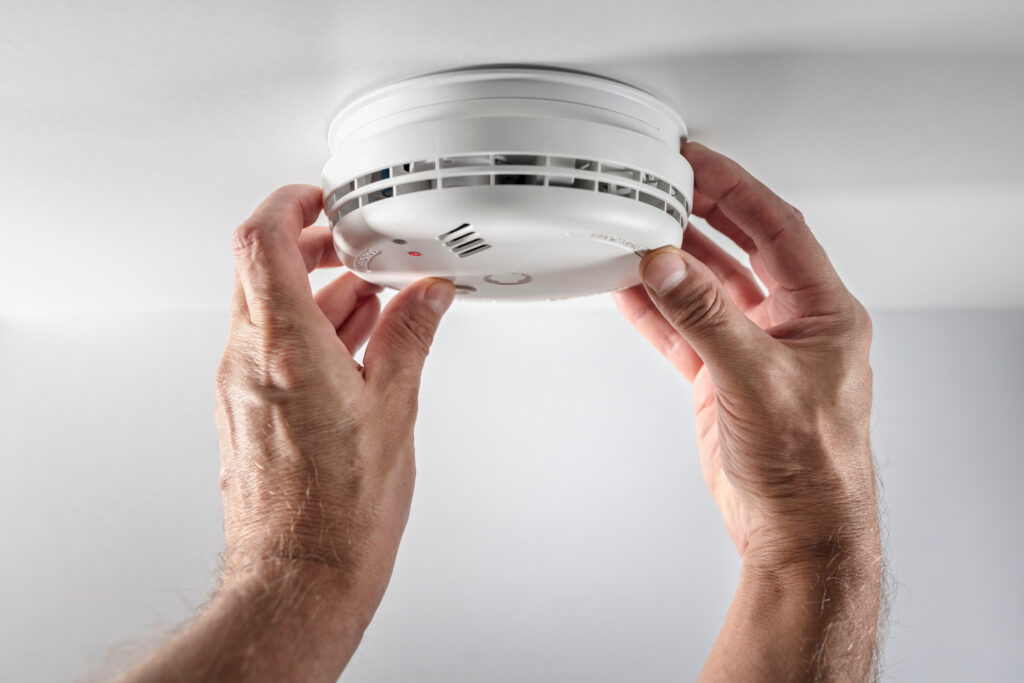
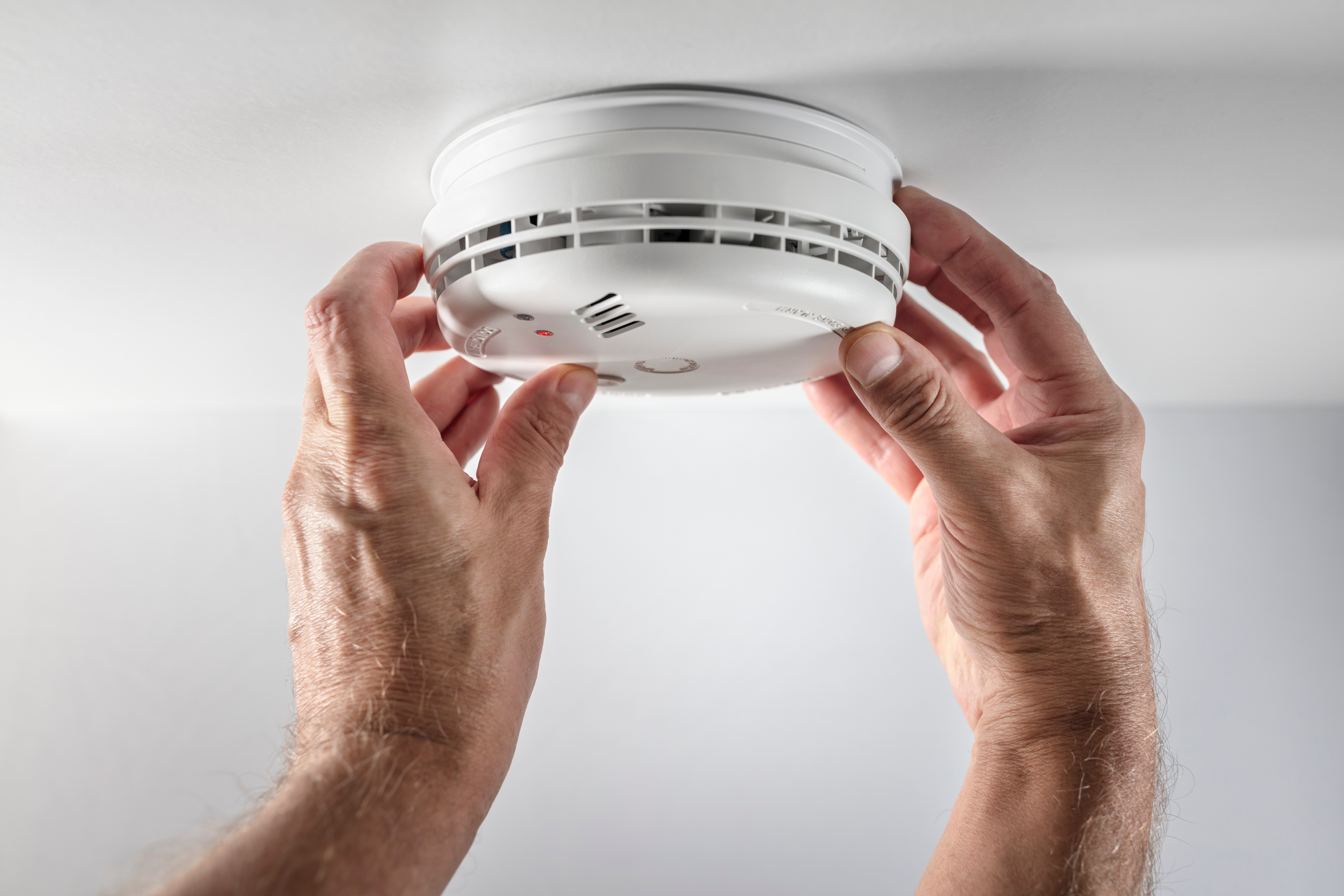
The standard guidance from both the National Fire Protection Association and most smoke alarm manufacturers is clear: replace smoke alarms every 10 years. After a decade of use, the internal sensors begin to degrade. Dust accumulation, humidity exposure, and general wear reduce the device’s ability to detect smoke accurately. The manufacturing date is printed on a label on the back of most alarms — that is your reference point, not the installation date. If you cannot find a date, or if you have lived in your home for years without ever replacing them, it is time to replace all of them now.
Signs Your Smoke Alarm May Need to Be Replaced Sooner
The 10-year mark is not the only trigger for replacement. There are situations where earlier replacement is the right call. Watch for these specific signs:
- The alarm chirps continuously even after a fresh battery is installed
- The alarm fails to trigger during a monthly test
- The unit has visible yellowing, cracks, or physical damage
- The alarm has been exposed to significant smoke, fire, or water damage
- There is no manufacturing date label present on the device
Any one of these conditions is a valid reason to replace the unit immediately. Do not wait for the 10-year mark if something seems off. The cost of a new smoke alarm is negligible compared to what it protects.

How Many Smoke Alarms Does Your Home Actually Need
This is a question that comes up constantly, and the answer is straightforward. The NFPA recommends placing a smoke alarm inside every bedroom, outside each sleeping area, and on every level of the home — including the basement. A two-story home with three bedrooms, for example, would need a minimum of six alarms when following these guidelines. Interconnected alarms, which trigger all units simultaneously when one detects smoke, are strongly preferred. This is particularly important in larger homes or homes with occupants who are heavy sleepers or hearing impaired.
Battery-Operated vs. Hardwired Smoke Alarms — Key Differences
Smoke alarms come in battery-operated and hardwired configurations. Hardwired alarms connect directly to the home’s electrical system and typically include a battery backup in case of a power outage. These are common in newer construction and are generally the more reliable option over time. Battery-operated alarms are easier to install and reposition but require consistent battery maintenance. Some modern smoke alarms now come with sealed 10-year lithium batteries, which eliminate the need for annual battery swaps. These are a smart investment for homeowners who want low-maintenance protection throughout the full lifespan of the device.
What Smoke Alarm Replacement Costs — And Where to Budget
Replacing a smoke alarm is genuinely one of the most affordable home safety investments available. Basic battery-operated units typically range from $10 to $30 per alarm. Combination ionization and photoelectric models, or smart alarms with app connectivity and voice alerts, can run anywhere from $40 to $120 per unit. Hardwired replacements may require a licensed electrician for installation, which adds labor costs depending on your location and the complexity of the wiring. For most homeowners, budgeting $100 to $300 to replace all smoke alarms in the home every decade is a very reasonable and worthwhile expense.
Smart Smoke Alarms — Are They Worth It
Smart smoke alarms have become increasingly popular, and for good reason. These devices connect to your home’s Wi-Fi and send alerts directly to your smartphone when smoke or carbon monoxide is detected — even when you are not home. Some models also self-test, notify you when batteries are low, and distinguish between steam from a shower and actual smoke, which dramatically reduces false alarms. For homeowners who travel frequently or have rental properties, smart alarms offer a significant layer of protection and peace of mind. The higher upfront cost is often justified by the added functionality and real-time visibility.
Smoke Alarms and Home Warranty Coverage — What Homeowners Should Know
It is worth addressing something that surprises many homeowners: standard home warranty plans do not typically cover smoke alarms as a primary covered item. Home warranties are designed to protect the major mechanical systems and appliances within a home — things like HVAC systems, plumbing, electrical wiring, refrigerators, and water heaters. Smoke alarms fall into the category of routine home maintenance and safety compliance, which sits outside the scope of most warranty agreements. That said, some home warranty providers do offer optional add-ons or enhanced plans that include broader safety device coverage. Always review your contract carefully and ask your provider directly about any safety device provisions that may be available.
Why Armadillo Is Worth Considering for Year-Round Home Protection
Replacing smoke alarms is just one piece of a much larger home maintenance picture. When a covered appliance breaks down or a critical home system fails, the financial impact can be significant — and that is exactly where a home warranty earns its value. Armadillo home protection plans for systems and appliances are built with homeowners in mind, offering straightforward coverage, transparent terms, and a claims process that does not require a manual to understand. Whether it is your HVAC going out in the middle of summer or a water heater failing at the worst possible time, having reliable coverage in place makes a genuine difference. If you are thinking about protecting more of your home beyond the basics, the best place to start is to get a personalized home warranty quote for your property and see what coverage makes sense for your situation.

Frequently Asked Questions About Smoke Alarm Replacement
Below are answers to the most common questions homeowners have about when and how to replace smoke alarms in their homes.
How often should smoke alarms be replaced?
Smoke alarms should be replaced every 10 years from the date of manufacture, regardless of whether they appear to be functioning normally. The internal sensors degrade over time and become less reliable after a decade of use.
How do I find out how old my smoke alarm is?
Check the back of the alarm for a label that includes the manufacturing date. If no date is present, replace the alarm immediately, as it may be too old to be reliable.
Do hardwired smoke alarms also need to be replaced every 10 years?
Yes. Hardwired smoke alarms follow the same 10-year replacement recommendation as battery-operated models. Being connected to household power does not extend the lifespan of the internal sensor.
Can I replace a hardwired smoke alarm myself?
In many cases, yes. Replacing a hardwired smoke alarm with a compatible unit of the same brand and wiring configuration is often a straightforward process. However, if the wiring is unfamiliar or the configuration is complex, hiring a licensed electrician is the safer choice.
How many smoke alarms should a home have?
The NFPA recommends at least one smoke alarm inside each bedroom, one outside each sleeping area, and one on every level of the home including the basement. Larger homes may require additional units for adequate coverage.
What is the difference between ionization and photoelectric smoke alarms?
Ionization alarms are better at detecting fast-flaming fires, while photoelectric alarms are more responsive to slow-smoldering fires. Dual-sensor combination alarms offer the most comprehensive protection and are recommended for whole-home use.
Are smoke alarms covered under a home warranty?
Smoke alarms are generally not covered under standard home warranty plans, as they are considered routine safety maintenance items rather than major systems or appliances. Some providers may offer optional coverage through enhanced plans, so it is worth reviewing your specific contract.
Do sealed 10-year battery smoke alarms still need to be replaced?
Yes. Even smoke alarms with sealed 10-year lithium batteries should be replaced at the end of their rated battery life. The battery life and the sensor lifespan align closely, making full unit replacement the appropriate action at the 10-year mark.
Is a chirping smoke alarm always a battery issue?
Not necessarily. While low batteries are a common cause of chirping, persistent chirping after a battery replacement can indicate that the alarm itself has reached the end of its service life and needs to be replaced entirely.
Where should smoke alarms not be installed?
Smoke alarms should not be installed within 10 feet of cooking appliances, in high-humidity environments like bathrooms, or in areas with extreme temperature fluctuations like garages. These conditions increase the likelihood of false alarms and can accelerate sensor degradation.